

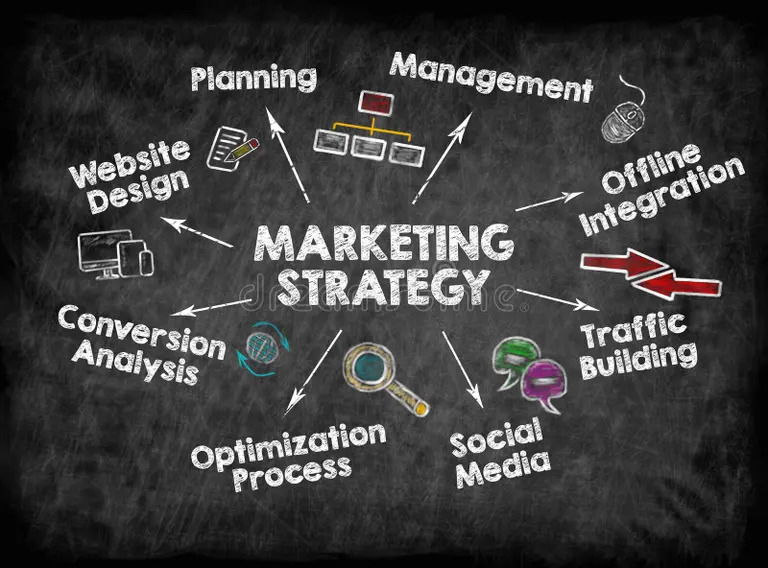
Strategic Marketing in Higher Education
Strategic marketing is the process of using market insights, customer needs, and competitive analysis to create long-term value and strengthen an organisation’s position in the marketplace. Rather than focusing only on individual campaigns or promotional activities, strategic marketing considers how marketing decisions support an organisation’s wider business objectives.
For executives and business leaders, strategic marketing provides a framework for answering three fundamental questions:
- Where should we compete?
- How should we compete?
- When should we compete?
Answering these questions helps organisations identify attractive market opportunities, understand their competitive position and develop marketing plans that support sustainable growth.
What Is Strategic Marketing?
Strategic marketing connects an organisation’s overall business strategy with the needs of its target customers. It involves analysing the market, competitors, customers and internal capabilities before deciding where and how the organisation should compete.
The objective is not simply to sell more products or services. It is to create a clear competitive advantage by delivering value that customers recognise and that competitors find difficult to replicate.
For senior managers, this makes strategic marketing an important part of business decision-making. It can influence areas such as product development, pricing, market expansion, customer experience, brand positioning and resource allocation.
The Strategic Marketing Planning Process
An effective strategic marketing plan typically involves three broad stages: planning, implementation and evaluation. Each stage plays an important role in turning market insights into measurable business outcomes.
1. Planning Phase
The planning phase establishes the foundation for the marketing strategy. It involves assessing the organisation’s internal capabilities and external environment, including its strengths, weaknesses, competitors, customers, technology and market trends.
Several important activities form part of this stage.
SWOT Analysis
A SWOT analysis examines four areas:
- Strengths: Internal capabilities that give the organisation an advantage
- Weaknesses: Internal limitations that may affect performance
- Opportunities: External conditions that could support growth
- Threats: External factors that could create risks or challenges
A well-conducted SWOT analysis can help management understand the organisation’s current position and identify priorities for future marketing activity.
Marketing Mix
The marketing mix provides a practical framework for turning strategic decisions into market-facing actions.
The traditional marketing mix is based on the Four Ps:
- Product: Features, quality, design, packaging, branding and customer support
- Price: Pricing levels, discounts, payment terms and perceived value
- Place: Distribution channels, locations, logistics, storage and market coverage
- Promotion: Advertising, public relations, sales promotion, digital marketing and other communication activities
For service-based organisations, the framework is often extended to include People, alongside Process and Physical Evidence.
A strong marketing mix ensures that different elements of the customer experience work together rather than operating as isolated activities.
Setting Marketing and Product Goals
Clear objectives provide direction for the marketing function. Effective goals should be specific, measurable, achievable, relevant and time-bound (SMART).
For example, an organisation may aim to:
- Increase market share within a defined period
- Enter a new geographic market
- Improve customer retention
- Increase brand awareness among a specific audience
- Launch a new product successfully
- Improve customer acquisition or conversion rates
Well-defined objectives make it easier for management to measure progress and allocate resources effectively.
2. Implementation Phase
A well-designed strategy only creates value when it is implemented effectively. The implementation phase transforms strategic decisions into practical marketing activities.
Key areas include:
Allocating Resources
Organisations must determine the financial, human and technological resources required to deliver the marketing plan. Budgets should be aligned with strategic priorities and expected business outcomes.
Establishing Responsibilities
Clear roles and reporting structures help ensure that marketing activities are coordinated across teams. Marketing, sales, finance, operations and senior management may all need to work together to achieve strategic objectives.
Creating Timelines
Marketing activities should be supported by realistic schedules, milestones and performance indicators. Clear timelines make it easier to track progress and identify potential delays.
Executing the Plan
The final step is to put the strategy into action. This may involve launching campaigns, developing new products, entering new markets, strengthening distribution channels or implementing customer engagement initiatives.
Successful execution requires flexibility. Market conditions can change quickly, so organisations should be prepared to adjust their approach when new information becomes available.
3. Evaluation Phase
Strategic marketing should not be treated as a one-time exercise. Organisations need to monitor performance continuously and compare results against their objectives.
Evaluation may include reviewing:
- Sales and revenue performance
- Market share
- Customer acquisition and retention
- Campaign performance
- Customer satisfaction
- Brand awareness
- Return on marketing investment
- Competitive performance
If results do not meet expectations, management can identify the reasons for the gap and adjust the marketing plan accordingly.
This creates a continuous cycle of planning, execution, measurement and improvement.
Best Practices for Strategic Marketing Planning
Organisations can improve the effectiveness of their strategic marketing plans by following several principles:
Set Measurable Objectives
Marketing objectives should be clear and supported by measurable performance indicators. This enables managers to determine whether marketing investments are generating the expected results.
Understand the Market
Strategic decisions should be based on reliable market research. Organisations need to understand customer behaviour, industry trends, competitors and emerging opportunities before committing significant resources.
Keep the Plan Clear
A strategic marketing plan should provide direction without becoming unnecessarily complicated. Clear priorities make it easier for employees and stakeholders to understand what needs to be achieved.
Focus on Customer Value
Successful organisations place customer needs at the centre of their marketing decisions. Understanding what customers value can help businesses develop stronger products, services and experiences.
Align Marketing With Business Strategy
Marketing objectives should support the organisation’s wider commercial goals. When marketing, finance, operations, sales and leadership are aligned, resources can be used more effectively.
Common Challenges in Strategic Marketing
Even well-planned marketing strategies can face challenges. Common issues include:
- Shortages of skilled marketing professionals
- Insufficient market research
- Changing customer expectations
- Shifting demographics
- Weak coordination between departments
- Inaccurate SWOT analysis
- Poor-quality market data
- Difficulties interpreting customer feedback
- Budget constraints
- Rapid changes in technology and consumer behaviour
Business leaders can reduce these risks by encouraging evidence-based decision-making, regular performance reviews and collaboration across departments.
Why Is Strategic Marketing Important for Organisational Growth?
Strategic marketing can contribute to sustainable growth in several ways.
1. It Helps Organisations Understand Their Competitive Environment
Strategic marketing encourages organisations to assess their internal capabilities alongside market conditions and competitor activity.
This broader perspective helps leaders understand where the organisation currently stands and where future opportunities may exist.
2. It Creates Clear Marketing Objectives
A strategic approach gives marketing teams clear priorities. Instead of measuring success only through individual campaigns, organisations can connect marketing performance to broader business objectives.
3. It Supports Better Product and Service Development
Customer and market insights can inform the development of products and services that address genuine market needs.
This reduces the risk of investing heavily in products that have limited demand and increases the organisation’s ability to respond to changing customer expectations.
4. It Strengthens Competitive Advantage
Strategic marketing helps organisations identify what makes them different and communicate that value effectively to their target markets.
A strong competitive position can support customer loyalty, market share and long-term growth.
5. It Improves Resource Allocation
Marketing budgets and resources are limited. Strategic marketing enables management to prioritise activities that are most closely aligned with business objectives and growth opportunities.
How to Implement Strategic Marketing Successfully
Implementing strategic marketing requires more than creating a marketing plan. Organisations need to connect research, strategy, execution and measurement.
A practical approach includes:
Step 1: Analyse the current situation.
Assess the organisation, customers, competitors, market conditions and wider business environment.
Step 2: Identify the target market.
Determine which customer groups offer the greatest strategic opportunity and understand their needs, behaviours and expectations.
Step 3: Define the competitive position.
Establish how the organisation can differentiate its products or services and create meaningful customer value.
Step 4: Set SMART objectives.
Create measurable goals that are directly connected to wider organisational priorities.
Step 5: Develop the marketing mix.
Determine the appropriate approach to product, price, place and promotion, while considering people, processes and customer experience where relevant.
Step 6: Allocate resources.
Establish budgets, responsibilities, technology requirements and timelines.
Step 7: Implement the strategy.
Execute the agreed activities while maintaining coordination between marketing and other business functions.
Step 8: Measure and improve.
Review performance against agreed metrics and make adjustments when market conditions or customer expectations change.
Strategic Marketing vs Marketing Strategy
Although the terms strategic marketing and marketing strategy are often used interchangeably, they describe different concepts.
Strategic marketing takes a broader, long-term perspective. It considers the organisation’s overall position, market opportunities, customer needs, competitive environment and business objectives.
Marketing strategy, on the other hand, describes the specific approach an organisation uses to achieve its marketing objectives. It may focus on areas such as target markets, positioning, pricing, distribution, communication or customer acquisition.
In simple terms:
| Strategic Marketing | Marketing Strategy |
|---|---|
| Takes a broad, long-term perspective | Focuses on how specific marketing objectives will be achieved |
| Considers the organisation and its market environment | Focuses on target markets, positioning and marketing activities |
| Supports wider business decision-making | Translates marketing objectives into strategic actions |
| Informs decisions about markets, customers and competitive advantage | Guides activities such as pricing, promotion and distribution |
| Helps shape the overall direction of marketing | Helps determine how that direction will be implemented |
The two concepts are closely connected. Strategic marketing establishes the broader direction, while marketing strategies provide the approaches used to achieve specific objectives.
The Business Value of Strategic Marketing
The key advantage of strategic marketing is its long-term, organisation-wide perspective.
Traditional marketing activities may focus on individual campaigns, products or short-term sales targets. Strategic marketing looks beyond these activities to consider how an organisation can build sustainable competitive advantage.
It brings together:
- Customer insights
- Competitive analysis
- Market opportunities
- Brand positioning
- Product and service development
- Resource allocation
- Business objectives
- Performance measurement
This integrated approach allows business leaders to make better-informed decisions and respond more effectively to changing market conditions.
Conclusion
Strategic marketing is an essential component of modern business management. It enables organisations to understand their markets, identify opportunities, differentiate themselves from competitors and create meaningful value for customers.
For executives and future business leaders, understanding strategic marketing means looking beyond individual campaigns and considering the wider relationship between customers, competition, organisational capabilities and long-term growth.
When supported by robust market research, clear objectives, effective implementation and continuous evaluation, strategic marketing can help organisations make more confident decisions and build a stronger position in increasingly competitive markets.
Source: BSBI