

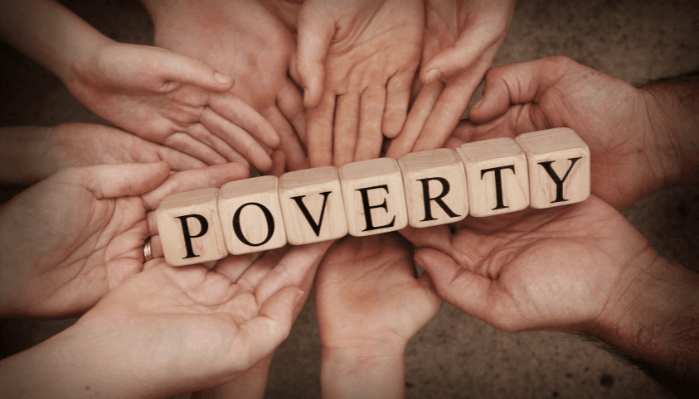
Ending Poverty: Why Sustainable Development Demands Strong Leadership
Economic growth has lifted millions of people out of poverty over the past few decades. Yet despite remarkable progress in many parts of the world, poverty remains one of the greatest obstacles to sustainable development.
Imagine trying to meet your daily needs on less than $3 a day. For more than 830 million people worldwide, this is a reality rather than a statistic. The challenge is particularly severe in Sub-Saharan Africa and in regions affected by conflict, instability, and economic fragility, where access to opportunities remains limited.
While global development efforts have delivered important gains, recent years have exposed how vulnerable progress can be. The long-term impact of the COVID-19 pandemic, economic uncertainty, geopolitical tensions, climate-related disruptions, and rising inequality have slowed the pace of poverty reduction. As a result, the urgency of addressing poverty has never been greater.
Poverty Extends Beyond Income
Poverty is often measured in financial terms, but its impact reaches far beyond income levels. It affects access to healthcare, education, nutrition, housing, sanitation, and economic opportunity. For many individuals and families, poverty creates barriers that limit social mobility and prevent them from achieving their full potential.
These challenges are often interconnected. Poor health can reduce productivity, limited education can restrict employment opportunities, and inadequate living conditions can perpetuate cycles of disadvantage across generations. Addressing poverty therefore requires a comprehensive approach that tackles both economic and social inequalities.
The Disproportionate Impact on Women and Children
Women and children remain among the groups most affected by poverty. Across many regions, women continue to face barriers to employment, entrepreneurship, financial inclusion, and economic participation. These inequalities often translate into higher poverty rates and reduced economic security.
Children living in poverty face significant disadvantages that can influence their health, education, and future earning potential. Without targeted interventions, these challenges can persist throughout their lives, reinforcing cycles of poverty from one generation to the next.
Sustainable Development Goal 1: A Global Commitment
Recognising the importance of poverty eradication, the United Nations placed it at the heart of the 2030 Agenda for Sustainable Development through Sustainable Development Goal 1 (SDG 1): End Poverty in All Its Forms Everywhere.
Achieving this goal requires more than economic growth alone. It demands inclusive policies that expand access to education, healthcare, social protection, and decent work. It also requires investments that strengthen community resilience and reduce inequality.
Although many countries have made meaningful progress, significant disparities remain. Nations facing conflict, political instability, weak institutions, or environmental challenges often experience the greatest difficulties in reducing poverty and improving living standards.
Why Poverty Matters to Business Leaders
For today’s business leaders, understanding poverty is not solely a matter of social responsibility; it is increasingly a strategic business consideration.
Sustainable economic growth depends on inclusive participation. When individuals and communities have access to education, employment, healthcare, and financial opportunities, economies become stronger, markets expand, and organisations benefit from a more productive workforce and consumer base.
Forward-thinking organisations are recognising that investments in human capital, inclusive business practices, and sustainable development initiatives can create long-term value for both society and business performance.
Leadership as a Catalyst for Change
Addressing poverty requires leadership that looks beyond short-term outcomes and focuses on long-term impact. Effective leaders understand that economic prosperity and social progress are deeply interconnected.
By fostering innovation, supporting inclusive growth, promoting responsible governance, and implementing sustainable policies, leaders can help create environments where individuals, businesses, and communities thrive together.
The challenge of ending poverty cannot be solved by governments alone. Businesses, educational institutions, international organisations, civil society groups, and local communities all have important roles to play in driving meaningful change.
Building a More Inclusive Future
As the world moves closer to the 2030 Sustainable Development Goals deadline, poverty eradication remains central to achieving a more equitable and sustainable future.
Progress will require collaboration, innovation, and bold leadership across sectors. By working together to create opportunities, reduce inequalities, and strengthen resilience, we can move closer to a world where economic opportunity is accessible to all and no one is left behind.
For leaders and professionals committed to shaping the future, the fight against poverty is more than a development challenge; it is an opportunity to create lasting impact and build stronger, more sustainable societies.
Source: United Nation